

Ai-driven client onboarding is one of the most important topics in AI and automation in 2026. The most expensive hour in your agency is the one spent chasing a client for a password, a brand asset, or a signed contract. Most boutique firms treat onboarding as a chaotic “welcome” period. In a million-dollar lean agency, onboarding is a precision strike. It is the moment you transition from “the person they hired” to “the system they trust.”
the first twenty-four hours of a client relationship are the most volatile. this is the “buyer’s remorse” window. if your new client is sitting in silence, wondering what happens next, you are already losing. a manual onboarding process is a churn machine. it’s slow, it’s prone to human error, and it scales terribly.
by integrating onboarding into your AI tech stack for agencies 2026, you replace friction with momentum. the goal is a “zero-touch” transition from payment to project kick-off. when a client pays, they should immediately be ushered into a world-class experience that feels bespoke but runs on pure logic.
the anatomy of a high-speed welcome
a lean agency cannot afford to have its founders or senior strategists acting as “document collectors.” every administrative task you perform is a distraction from the work that actually moves the needle. your onboarding system should handle the four horsemen of client friction: contracts, invoicing, asset collection, and access.
- immediate digital handoff: the second the payment clears, the client receives their portal access and a personalized “next steps” video.
- dynamic data collection: instead of a generic form, use logic-based surveys. if they don’t have a specific asset, the system tells them how to get it—or offers a workaround.
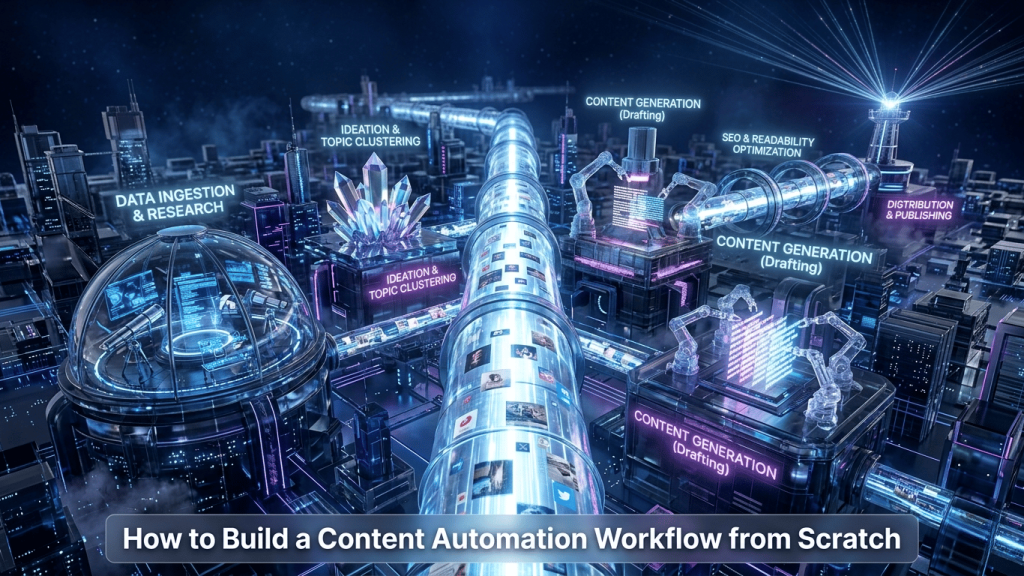
- automated provisioning: your system should automatically create their project folders, slack channels, and dashboard views without a single human click.

shifting the client’s perspective
when a client sees that you have automated the “boring” parts of your business, they trust you to automate theirs. onboarding is your first chance to demonstrate your expertise in systems. if you look disorganized, they will question your results. if you look like a machine, they will treat you like an authority.
this process does more than just save you time; it sets the tone for the entire engagement. you are establishing that your agency is run on data and efficiency. this discourages “scope creep” and manual “quick questions” because the client sees that you respect the system.
the onboarding-to-fulfillment bridge
onboarding isn’t an island; it’s the bridge to your service delivery. the data collected during this phase should automatically feed into your fulfillment workflows. there should be no “re-typing” or “re-explaining.”
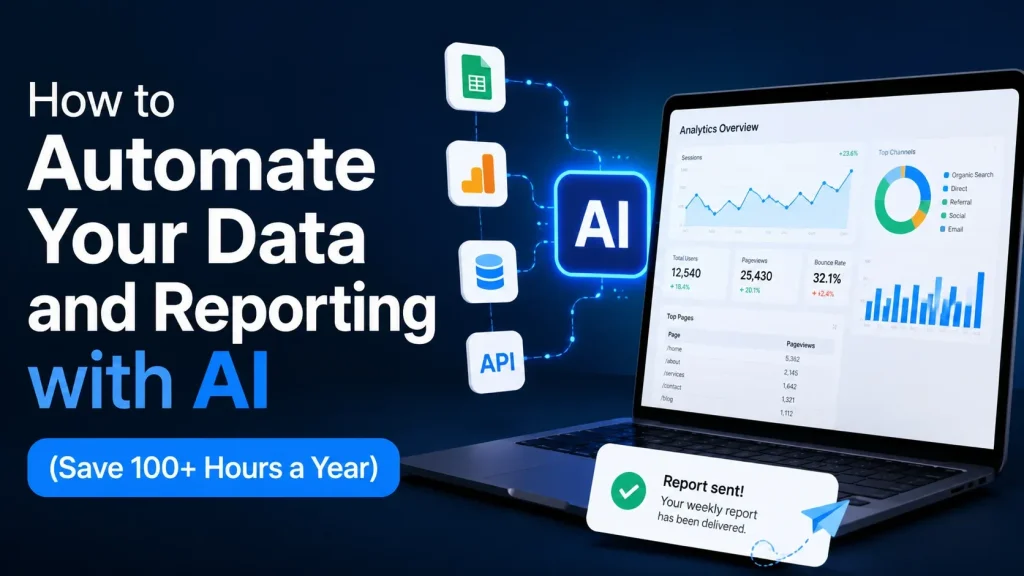
if the client specifies a target kpi in their onboarding form, that number should automatically appear in their automated reporting and ROI tracking dashboards. this level of integration is what separates the amateurs from the seven-figure operators.
conclusion: stop “welcoming” and start “executing”
clients don’t want a “welcome call” where you spend forty minutes asking for their logo. they want to see progress. an automated onboarding system allows you to skip the pleasantries and get straight to the ROI.
once your clients are onboarded and the work is flowing, the only thing left to do is prove that it’s working. you do this by mastering automated reporting systems that make your agency’s value impossible to ignore.