
Engineering talent acquisition engines for high growth teams
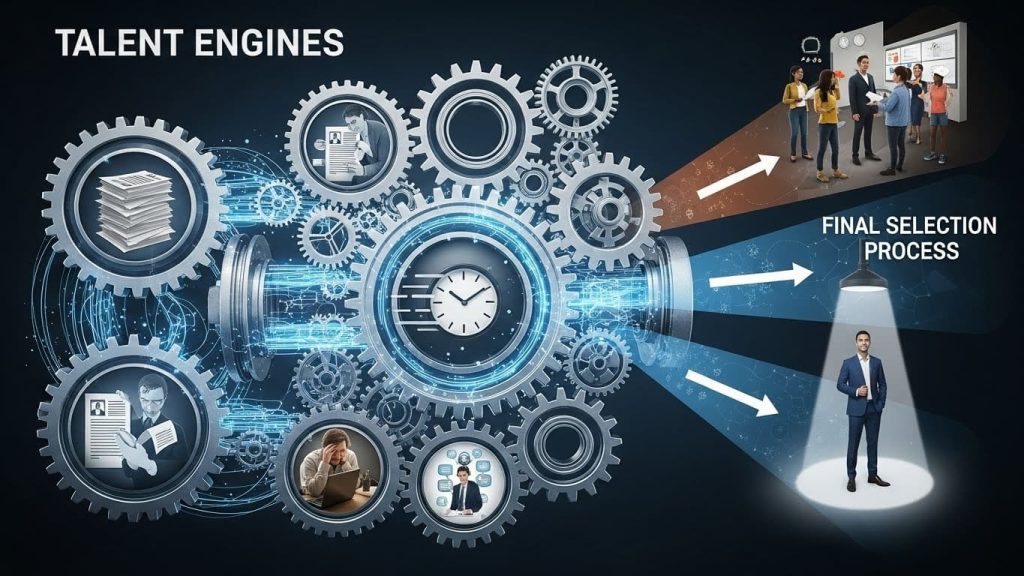
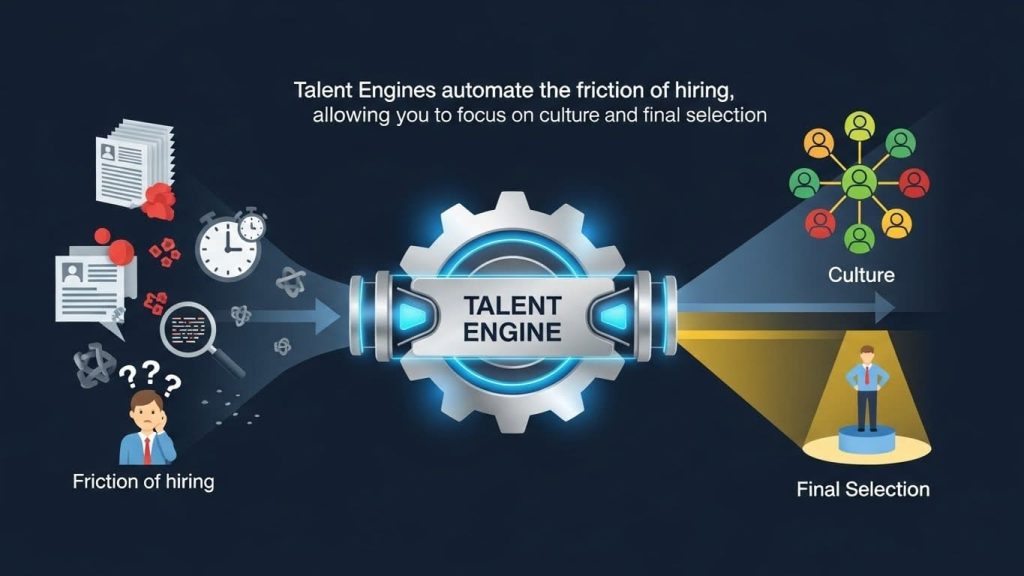
The bottleneck of every scaling company is the speed of its hiring. If your HR team is bogged down by manual screening, your growth is capped. Leveraging autonomous business systems in your recruitment allows you to score, filter, and schedule candidates without a single human click. This engine ensures that your pipeline is always full of high-quality talent, ready for the final interview, effectively turning talent acquisition into a predictable utility rather than a frantic search.
Removing the manual screening bottleneck
If a human has to read every resume that hits your inbox, you have already lost the talent war. Top-tier candidates are off the market in days, not weeks. An autonomous recruitment engine uses predefined logic to parse applications and rank them against your specific technical requirements. By integrating this with your lead scoring mechanisms, you treat potential hires with the same urgency as potential customers. The system surfaces the top 1% of talent immediately, allowing your team to spend their time interviewing instead of sorting through PDF files.
The automated candidate journey
Candidate experience is a direct reflection of your internal operations. A slow, silent hiring process signals a slow, disorganized company. Piping your recruitment stack into automated communication loops ensures that every applicant receives instant feedback. From initial screening questions to technical assessments and interview scheduling, the system manages the logistics. This level of automated onboarding starts long before the first day of work, building a professional brand that attracts elite performers who value efficiency.
Data-driven culture and performance matching
Hiring is often treated as a “gut feeling” exercise, which leads to high turnover and expensive mistakes. By using system-level integration, you can cross-reference candidate profiles with the performance data of your current top performers. The system identifies patterns in successful hires that humans often miss. This ensures data hygiene in your HR records and creates a feedback loop where each new hire improves the accuracy of the next search. You stop guessing who will fit and start hiring based on proven success metrics.
Engineering a self-sustaining talent pipeline
A truly autonomous hiring engine doesn’t stop when a role is filled. It continues to nurture silver-medal candidates—those who were qualified but didn’t get the job this time—for future openings. By maintaining a living database of vetted talent, you reduce your future time-to-hire to near zero. You are no longer starting from scratch every time you need to scale a department. The engine remains active in the background, ensuring your company’s growth is never throttled by a lack of human capital.
Conclusion Building a talent engine is the final piece of the autonomous enterprise puzzle. It ensures that as your systems grow, you have the right people in place to direct them. Now that you have seen how individual satellites function, it is time to look at the holistic strategy for autonomous business systems to understand how these interconnected parts create a truly unstoppable organization.