
Lead Generation Systems: Automating the High-Ticket Pipeline
Referrals are a gift, but they aren’t a business plan. If your agency’s survival depends on the goodwill of your network, you are operating on a prayer, not a pipeline. In 2026, the difference between a struggling boutique and a $1M lean agency is a predictable, automated engine that finds, qualifies, and books high-ticket meetings while the founder is focused on high-level strategy.
the traditional sales cycle is dead. most agency owners still spend their mornings manually scraping lists, sending cold emails that get ignored, and praying for a response. it is a low-leverage grind that kills creativity and caps revenue. if you want to scale, you need to stop being a hunter and start building a trap.
integrating an automated pipeline into your AI tech stack for agencies 2026 turns your lead generation from a manual chore into a digital asset. we are talking about systems that qualify prospects based on intent and behavior before they ever touch your calendar.
the shift from quantity to quality
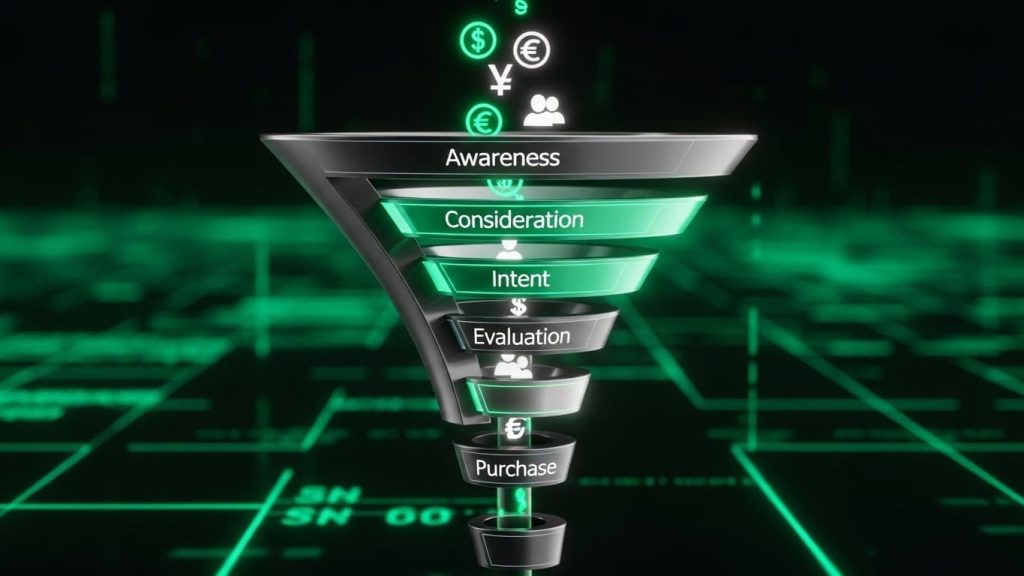
in the age of automation, more leads isn’t the goal—better leads is. anyone can buy a list and blast it. a lean agency doesn’t have time for “tire-kickers” or low-budget clients. your system needs to act as a high-level filter, ensuring that every minute you spend in a meeting is a minute spent with someone who can actually afford your services.
we use logic-based qualification. if a lead doesn’t meet specific revenue or technical criteria, they are automatically diverted to lower-touch educational resources. this protects your most expensive asset: your time.
architecting the multi-touch engine
a single cold email is rarely enough to close a high-ticket deal. you need a multi-touch ecosystem that builds authority across different platforms. your lead-gen system should sync your outreach across email, linkedin, and targeted ads, creating a feeling of omnipresence.
- intent-based triggers: reach out when a prospect is actually looking for a solution, not just randomly.
- dynamic personalization: use data-driven insights to tailor your message so it sounds like it came from a peer, not a bot.
- automated follow-ups: 80% of sales happen after the fifth touch. if you aren’t automating this, you are leaving 80% of your revenue on the table.
leveraging “lead magnets” as data points
your resources (templates, playbooks, audits) aren’t just for building an email list. they are diagnostic tools. when a prospect downloads a “budget calculator,” they are telling you their pain point. your system should automatically tag them and move them into a specific sales sequence tailored to that need.
this isn’t just marketing; it’s sales intelligence. you aren’t guessing what they want—you have the data.
conclusion: build the engine, then fuel it
automation is the engine; your strategy is the fuel. if you build a robust, automated pipeline today, you are essentially hiring a 24/7 sales team that never sleeps, never complains, and costs less than a single monthly health insurance premium.
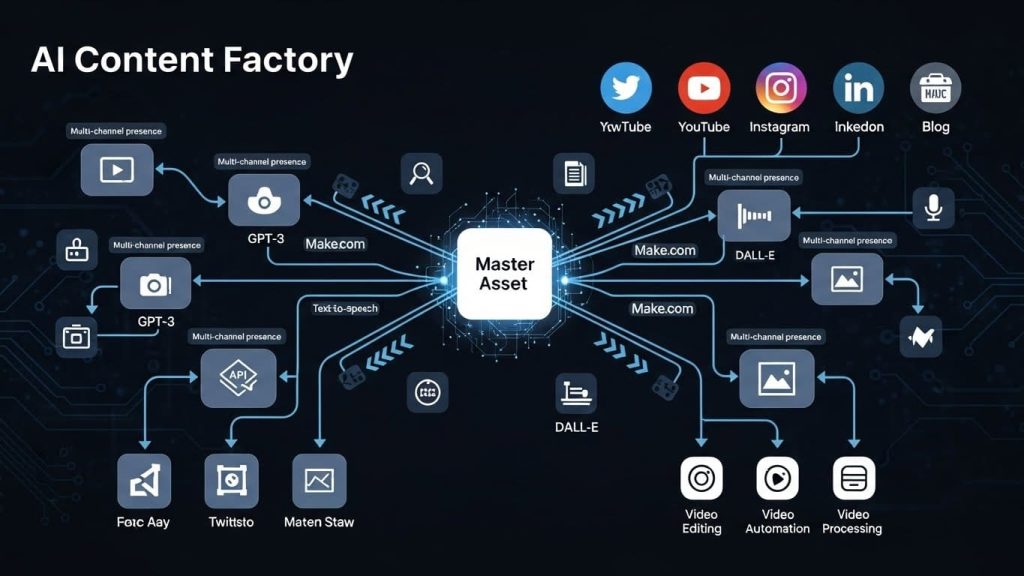
once your pipeline is full, the next bottleneck is fulfillment. to handle the influx without losing your mind, you must master AI content distribution workflows to stay top-of-mind without manual labor.